Demonstration kit Functional human eye model
School level: Secondary education
Use: Experiments and demonstrations in physics and biology lessons
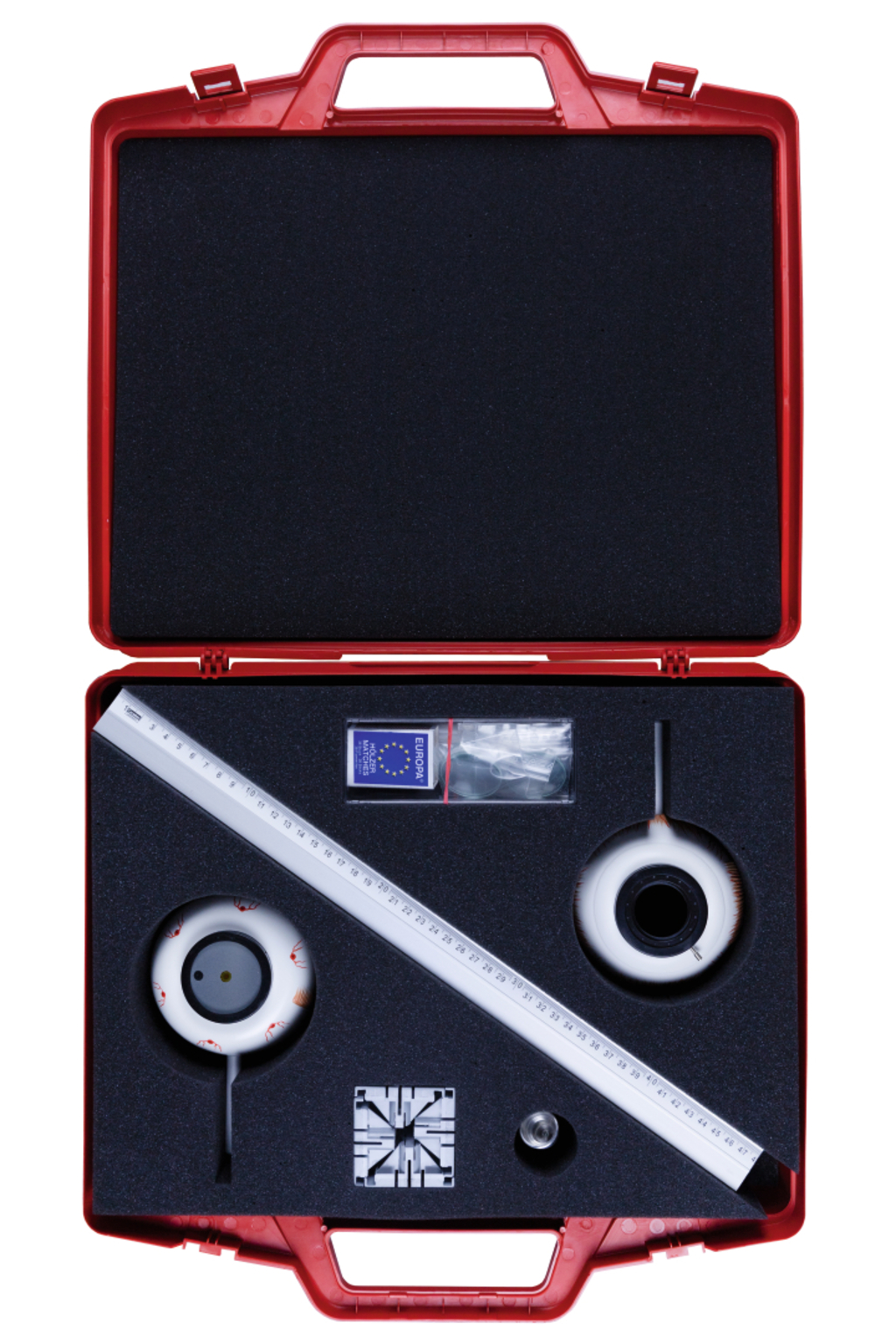
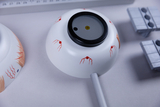
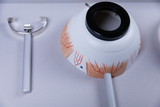
The Demonstration kit Functional human eye model illustrates key aspects of human vision and combines the physical principles of optics with the anatomy and physiology of the eye. The model demonstrates how an object is imaged on the retina, how the pupil adapts to different light conditions and how the focal length of the lens changes when focusing on near and distant objects.
The model can also be used to address common vision defects and their correction as well as the yellow spot and blind spot on the retina.
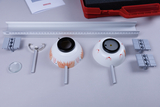
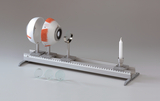
The model includes an adjustable lens, a ground-glass screen representing the retina and an aperture representing the pupil. Various objects can be used for image formation. A rail allows the distance between the object and the lens to be varied.
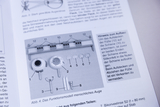
Illustrated instructions provide information and guidance on the experimental setups and results.


Technical specifications
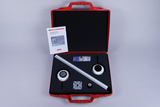
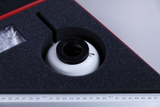
In study box with foam insert.
Size of kit: 440 x 330 x 100 mm
The image of an object is imaged upside down through the eye lens on the retina of the eye (frosted glass pane).
The students learn about the function of the pupil.
To see objects in focus closer than 5 m in front of the eye, the refraction of the eye lens must be increased by making it more curved.
Students learn about the normally sighted eye.
The students learn the myopic eye.
The students learn the farsighted eye.
The students learn about presbyopia.
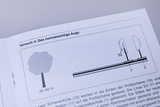
With the help of the image, the existence of the blind spot (no image perception at this point on the retina of the eye) can be experienced in the experiment.
- 1 ×
- 1 × Carton for storage box, 481x425x107
- 1 × Foam insert for 47030, 425x310x65 mm
- 1 × Foam insert, 430x320x20mm
- 1 ×