Students kit Germination-Units
Investigating Germination, Plant Growth and Environmental Factors
Age: 8–16 years
Number of students: up to 24 students in 12 working groups
Materials: for 12 working groups
Use: Student experiments on germination, plant growth, geotropism and phototropism, environmental factors, and the observation of small animals
With the Students kit Germination-Units, students investigate the germination and development of plants through a variety of observation and long-term experiments. The different germination units allow comparative investigations using different seeds and make the development of roots, stems, leaves and flowers directly observable.
Students investigate how water, soil, air, heat and light affect plant growth. Further experiments cover the geotropism of roots and shoots, the phototropism of leaves and stems, the swelling force of seeds, transpiration and assimilation. Plant responses to light and touch stimuli can also be observed.
The included dark-room germination boxes allow students to investigate plant growth under controlled light conditions. They can observe how a seedling grows around obstacles and orientates itself towards the light. The germination trays also enable comparative experiments with different seeds and growing substrates.
The multipurpose containers extend the range of activities beyond botanical experiments. With their transparent, air-permeable lids, they can be used for the short-term observation of small fish, beetles, worms and other small organisms. Without the germination inserts, the containers can also be used for plant growth experiments under different conditions and for experiments on the surface tension of water.
Two lids from the germination units can additionally be used as flower and leaf presses. Detailed experiment instructions support the preparation and implementation of the botanical and zoological investigations.
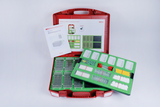
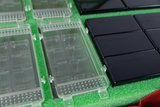
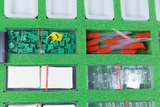
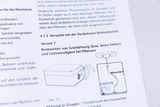
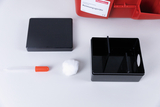
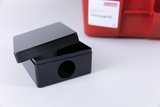
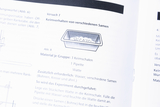
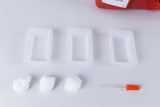


With the germination dishes, simple germinating experiments with different seeds and under different conditions can be carried out.
With the germination units, the water absorption or swelling and germination of seeds, growth and development of plant parts and their reactions to specific environmental factors can be observed.
The students discover that the roots force their way through the slits on the bottom of each cell and grow in a downward direction (positive geotropism) and that pea stems and leaves and the stalks of cereals grow in an upward direction (negative geotropism).
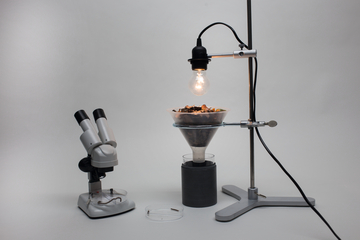
Experiments to determine the water absorption and water storage capabilities of peat and peat moss (sphagnum).
With the transparent air permeable lid the multi purpose container is especially well suited for short term captivity and observation of small animals, beetles and insects (e.g. maybugs, flies or grasshoppers).
Experiments demonstrating the surface tension of water (pin, razor blade, water strider).
Comparison of the leaves of one type of plant taken from different locations (dandelion, plantain, lady’s smock).
- 1 ×
- 8 ×
- 1 ×
- 24 ×
- 1 ×
- 12 × Dropping pipette, plastic
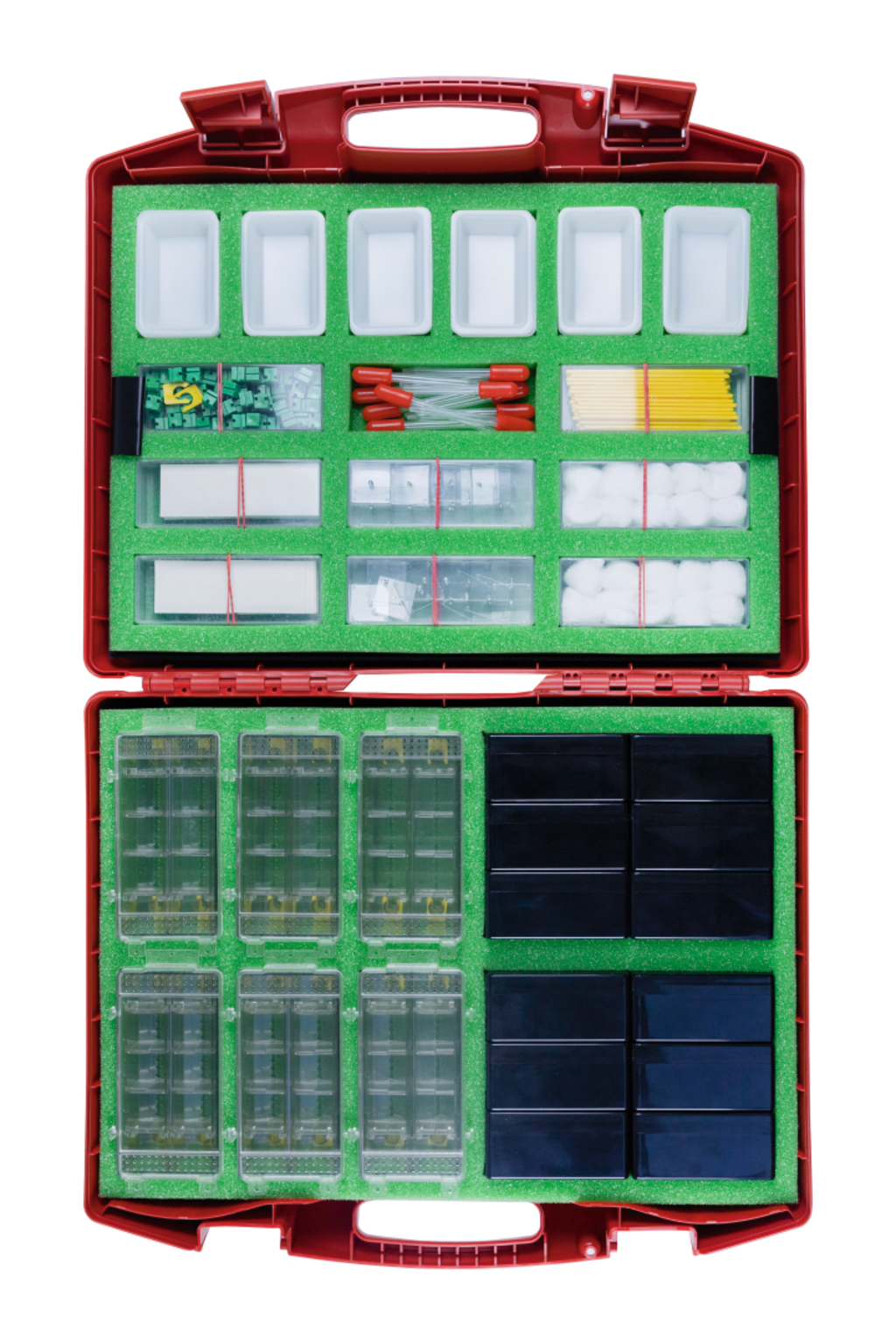
- 1 × Foam insert 1 f. 18085, 505x355x30 mm
- 6 × Multi-purpose container 150x75x75 mm
- 6 × Air-permeable set (lid)
- 1 × Foam insert 2 f. 18085, 520x365x90 mm
- 6 ×
- 24 ×
- 40 ×
- 26 ×
- 1 ×
- 12 ×
- 101 ×
- 61 ×