Students kit Sun, heat and air
Investigating Solar Energy, Heat and the Properties of Air
Age: 11–14 years
Materials: for 1 work group or demonstration
Use: Student experiments on heat, air and solar energy as well as fundamental principles of energy and thermal physics
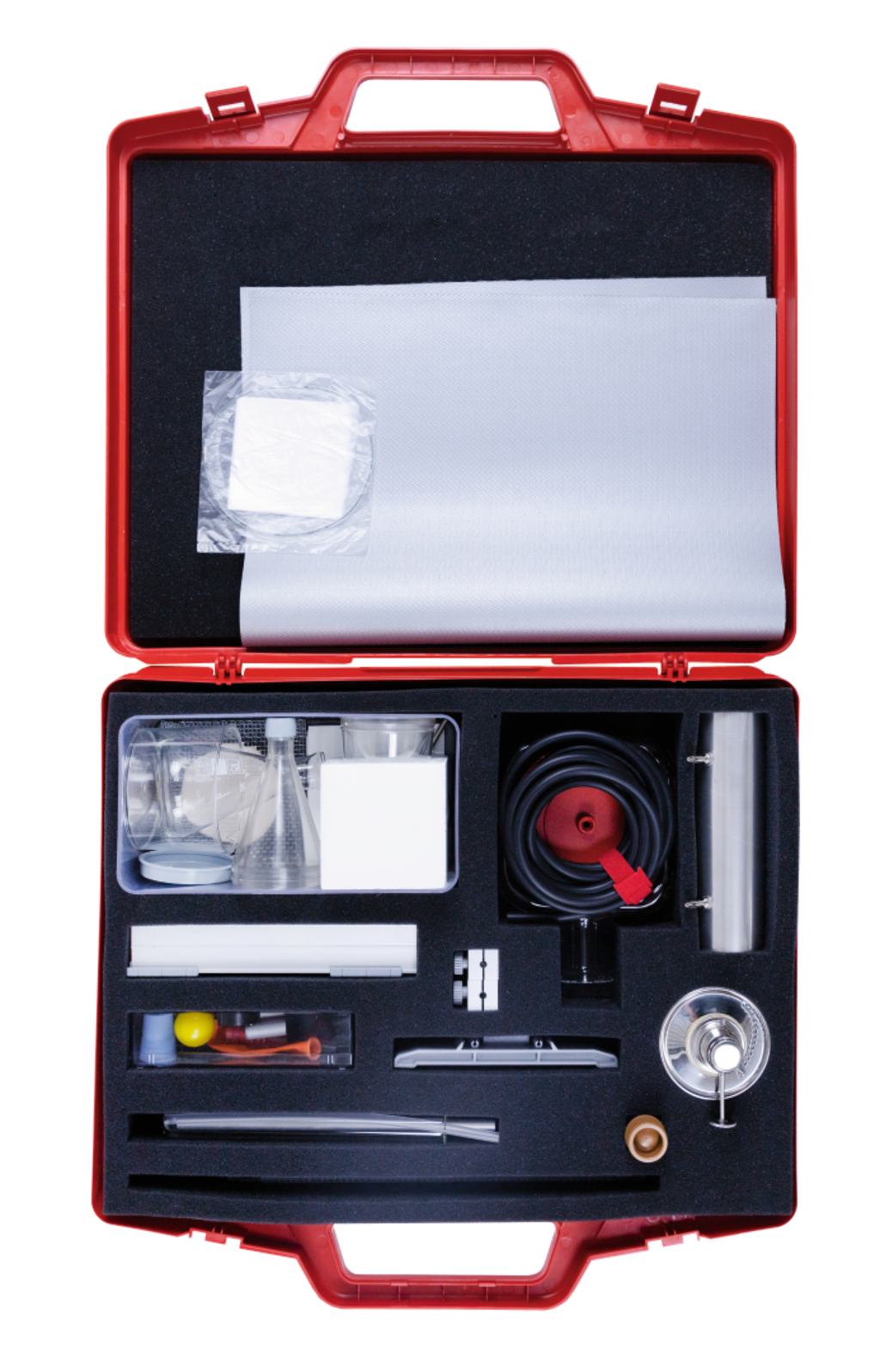
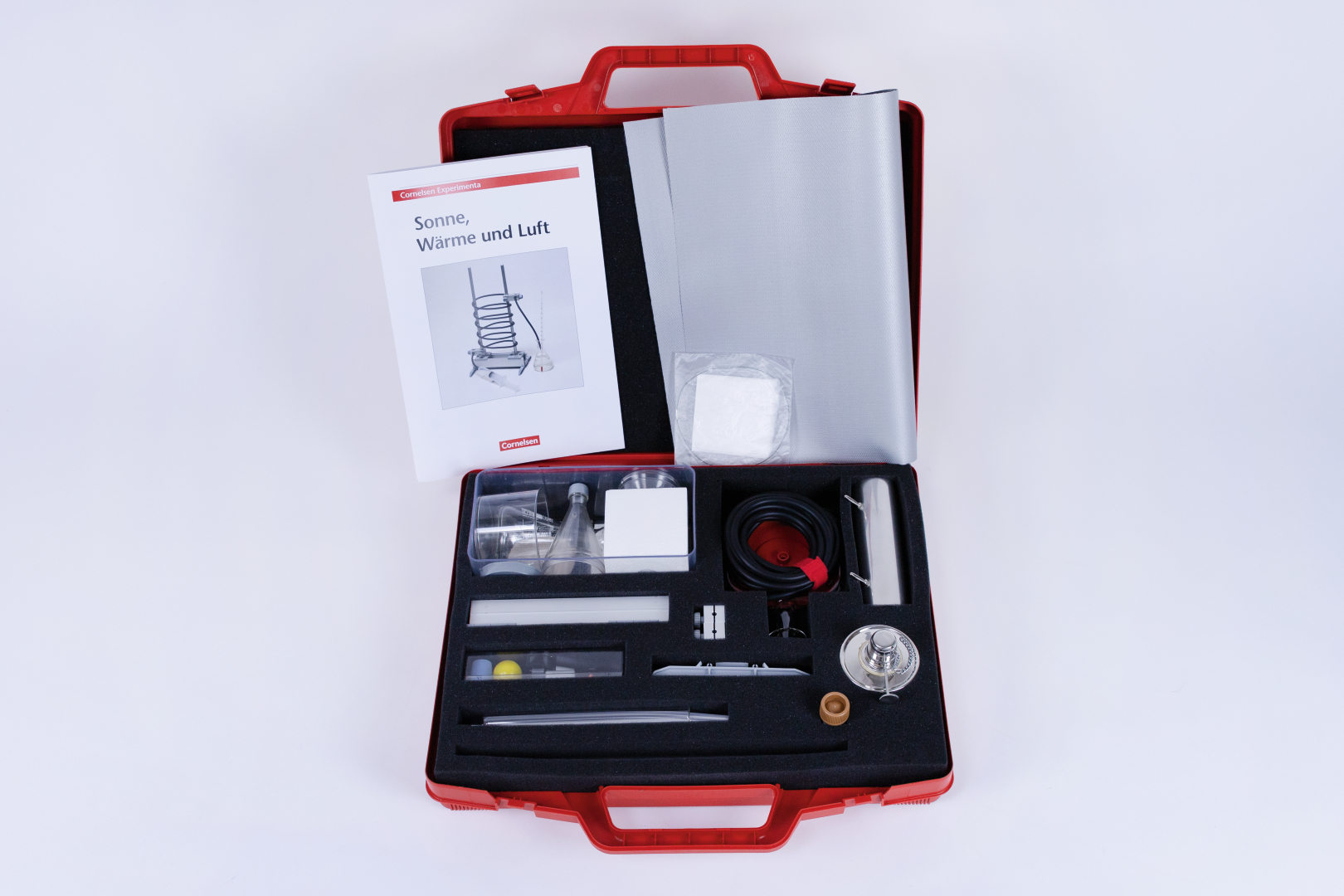
With the Students kit Sun, heat and air, students investigate fundamental physical phenomena related to solar energy, heat and air through hands-on experiments. The set is suitable for one work group and can also be used for classroom demonstrations.
The experiments provide a practical approach to investigating the relationships between solar radiation, heat and the properties of air. Students can observe and investigate physical processes directly and compare their findings.
The set combines fundamental topics from thermal physics and energy and supports students in developing an understanding of physical principles through independent experimentation.
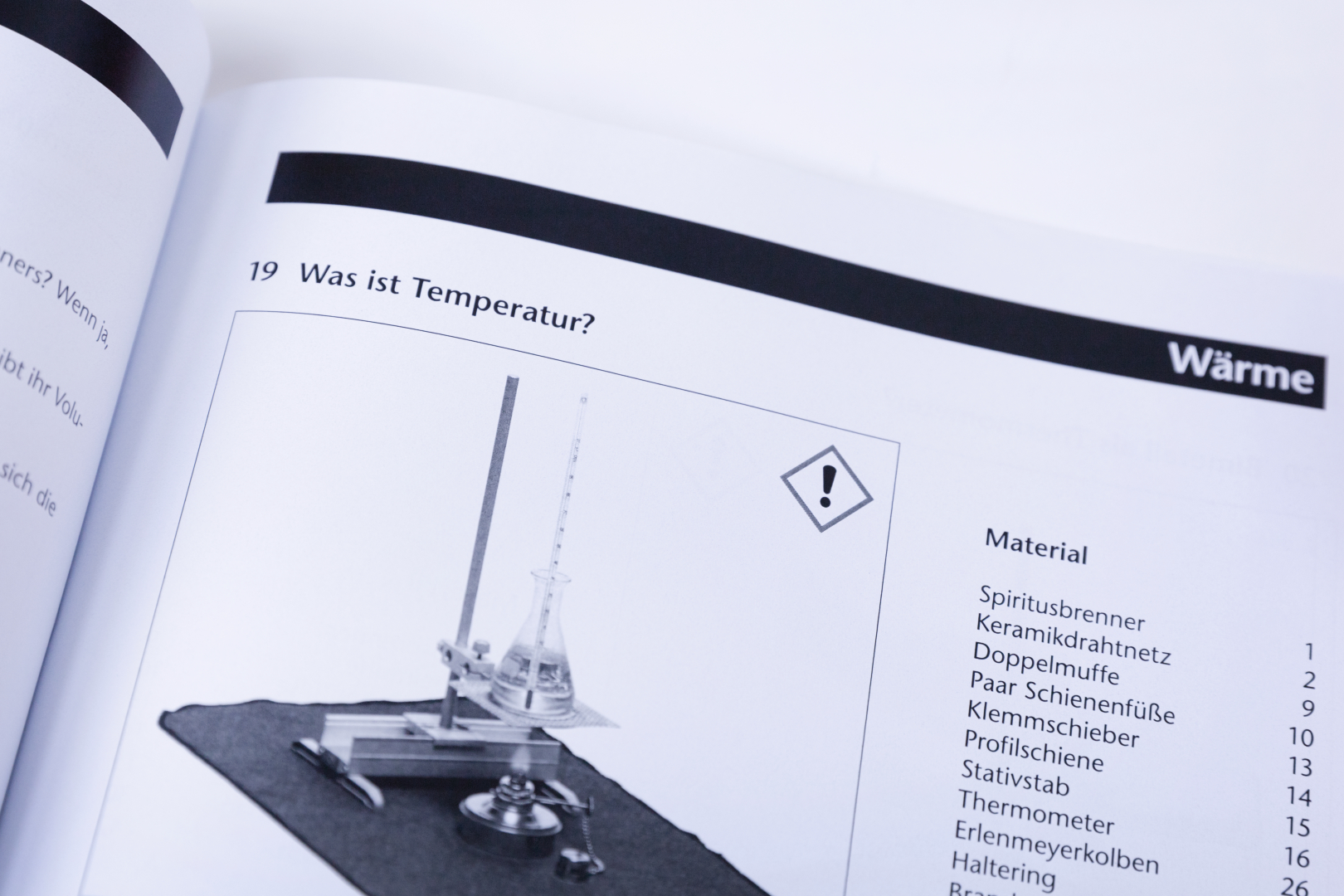
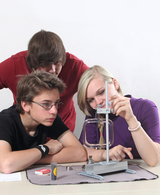

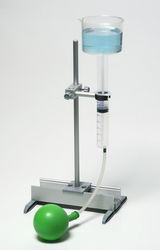
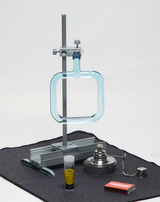
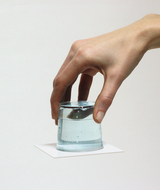


We will shortly provide you with a description of the experiment at this point.
We will shortly provide you with a description of the experiment at this point.
We will shortly provide you with a description of the experiment at this point.
We will shortly provide you with a description of the experiment at this point.
We will shortly provide you with a description of the experiment at this point.
We will shortly provide you with a description of the experiment at this point.
We will shortly provide you with a description of the experiment at this point.
We will shortly provide you with a description of the experiment at this point.
We will shortly provide you with a description of the experiment at this point.
We will shortly provide you with a description of the experiment at this point.
We will shortly provide you with a description of the experiment at this point.
We will shortly provide you with a description of the experiment at this point.
We will shortly provide you with a description of the experiment at this point.
We will shortly provide you with a description of the experiment at this point.
We will shortly provide you with a description of the experiment at this point.
We will shortly provide you with a description of the experiment at this point.
We will shortly provide you with a description of the experiment at this point.
We will shortly provide you with a description of the experiment at this point.
We will shortly provide you with a description of the experiment at this point.
We will shortly provide you with a description of the experiment at this point.
We will shortly provide you with a description of the experiment at this point.
We will shortly provide you with a description of the experiment at this point.
We will shortly provide you with a description of the experiment at this point.
We will shortly provide you with a description of the experiment at this point.
We will shortly provide you with a description of the experiment at this point.
We will shortly provide you with a description of the experiment at this point.
We will shortly provide you with a description of the experiment at this point.
We will shortly provide you with a description of the experiment at this point.
We will shortly provide you with a description of the experiment at this point.
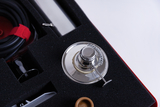
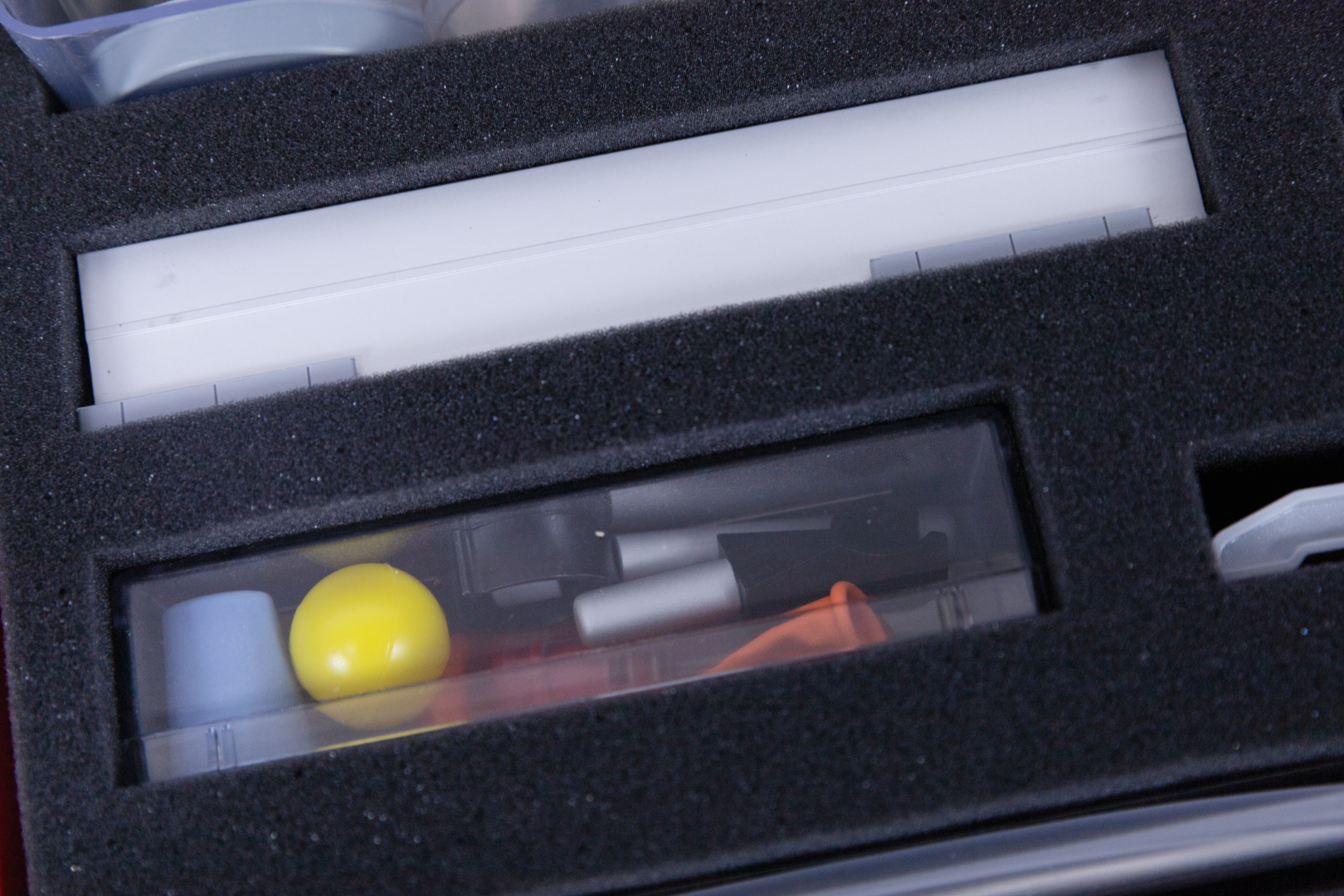
- 1 × Rubber stopper 24/19 mm, 1 hole 8 mm
- 1 × Tube coupling
- 1 × Spirit burner, metal
- 1 ×
- 1 × Heat protection gauze
- 1 ×
- 1 × Balloons with reinforced surface tension
- 1 × Convection in liquids tube student type
- 1 × Screen white, plastic
- 2 ×
- 1 × Holding clip on rod, 15 mm
- 1 × Trough, transparent plastic
- 1 × Rubber stopper with 6 mm bore
- 1 × Glass tubing, straight, 200 mm
- 1 × Bimetallic strip
- 1 × Aluminium tube, 200/8 mm
- 1 × Profile rail, 180 mm
- 2 × Double clamp with slot, aluminium
- 1 × Rubber stopper 13/9 mm
- 1 × Plastic beaker, 250 ml, with scale
- 1 × Plastic box 140/50/35 mm
- 1 × Suction flask
- 1 ×
- 1 × Coloring agent blue (food color)
- 1 × Hot air balloon model
- 1 ×
- 1 ×
- 1 × Plastic beaker, 100 ml
- 1 × Heat-resistant pad
- 1 × Support clip, 25 mm Ø, on rod
- 1 × Air-cushion disc
- 1 ×
- 1 ×
- 1 × Thermometer -10 to +110 °C
- 1 × Foam insert, 430x320x40mm
- 1 × Rubber tubing, black 3 mmØ/300 cm long
- 1 × Insulating block for plastic beaker
- 1 × Metal crucible 50mmØ
- 1 × Foam insert for 22009 426x325x65 mm
- 2 ×
- 1 ×
- 1 ×
- 1 ×
- 1 ×
- 1 ×
- 1 ×
- 2 ×