Students kit Primary chemistry
Investigating Solubility and Changes of Substances in Water
Age: 10–12 years
Number of students: 12–18 students in 6 working groups
Use: Student experiments on solubility, soluble and insoluble substances, crystallization, temperature changes, solidification and gas formation when substances dissolve in water
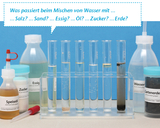
With the Students kit Primary chemistry, students investigate fundamental chemical phenomena using a familiar everyday substance: water. By systematically mixing water with different substances, students observe their behaviour and compare similarities and differences.
The experiments initially focus on the solubility of substances in water. Students investigate the conditions under which substances dissolve, distinguish between soluble and insoluble substances, and explore how the dissolving process can be reversed through crystallization.
Further experiments demonstrate that different changes can occur when substances dissolve. These include changes in temperature, the solidification of water by gel-forming substances and the formation of gases. In this way, fundamental chemical processes become accessible through a structured series of experiments that gradually build on one another.
The experiments follow a clear progression and increase in difficulty. A teacher's guide supports the organisation of the learning stations and includes background information, teaching guidance, student worksheets, material lists and rules for conducting experiments safely.


These experiments look at conditions affecting solubility. Variations and follow-up options are described in the teacher guidance sections.
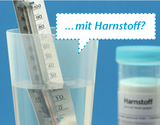
This experiment lets students investigate the thermal changes that occur when certain substances are added to water.
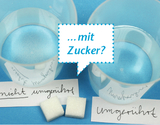
The first experiment is designed for students with no previous experience of experiments. It uses common household materials. At this stage, the topic reflects everyday experiences and is an introduction to acting and thinking scientifically.
In this second experiment the students encounter the same phenomena, but with a stronger emphasis on laboratory-style work.
These experiments look at conditions affecting solubility. Variations and follow-up options are described in the teacher guidance sections.
These experiments look at conditions affecting solubility. Variations and follow-up options are described in the teacher guidance sections.
These experiments look at conditions affecting solubility. Variations and follow-up options are described in the teacher guidance sections.
This experiment revisits the theme of solubility before moving on to crystallization.
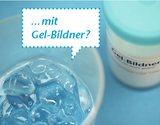
This experiment looks at the solidification of water caused by the addition of substances that form a gel.
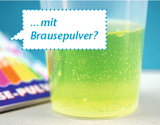
This experiment leads into a new chapter of Research and Explore focusing on “sherbet”.
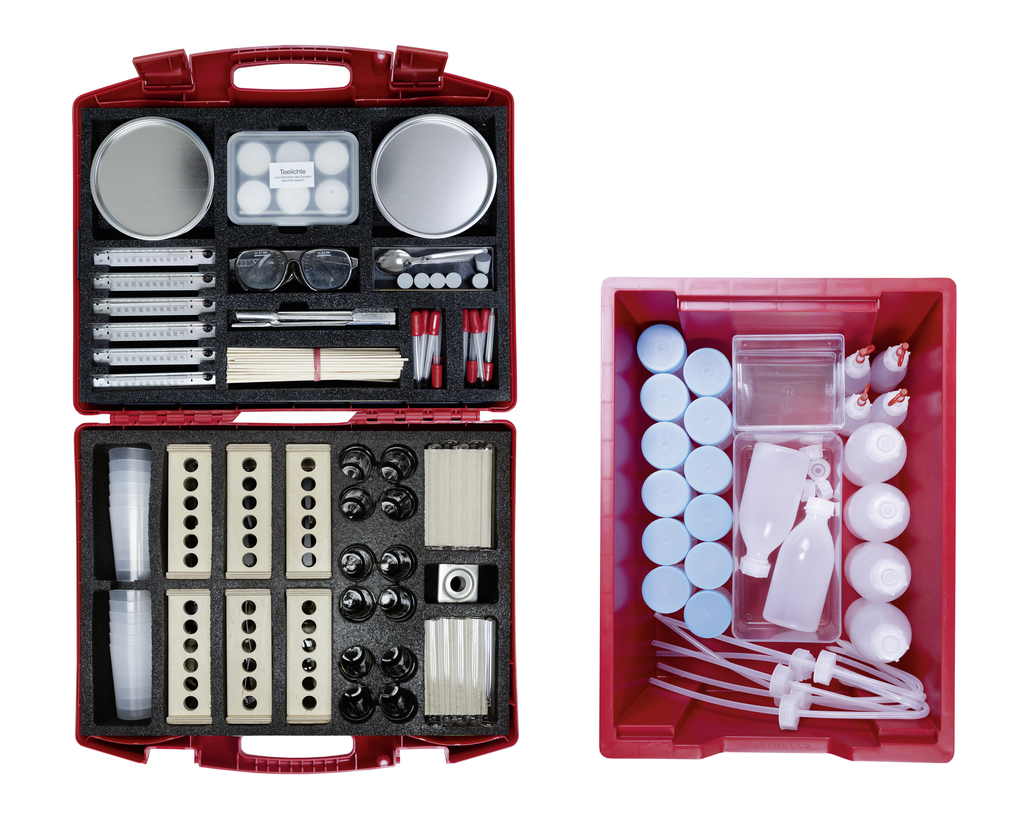
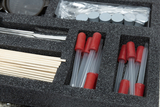
- 6 × Teaspoon
- 6 × Spatula, Micro Powder
- 2 × Plastic box, 105/90/50 mm
- 6 ×
- 1 ×
- 6 ×
- 12 × Dropping pipette, plastic
- 4 ×
- 1 × Trough, transparent plastic
- 6 ×
- 6 × Test tube stand
- 1 × Safety goggels, glass
- 1 ×
- 1 × Lid
- 6 × Rubber stopper 18/14 mm
- 6 × Thermometer student type –5 to +100 °C
- 12 ×
- 1 × Set of wooden sticks (10 pcs.)
- 1 ×
- 1 × Storing Tray deep, red
- 1 ×
- 1 ×
- 12 × Beaker, Duran, tall form, 50 ml
- 1 × Foam insert 1 for 90350, 500x360x45 mm
- 12 × Plastic beaker with screw-top, 100 ml
- 4 × Dropping-cap for 88444/45
- 6 × Metal plate, 150 mmØ
- 1 × Foam insert 2 for 90350, 515x370x95 mm
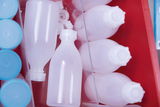
- 12 × Beaker, PP 280 ml
- 1 × Carton for SEG (large tray)
- 1 × Hinge box, 140x95x30 mm
- 1 × Storing diagram,int.vers.
- 6 ×
- 6 ×